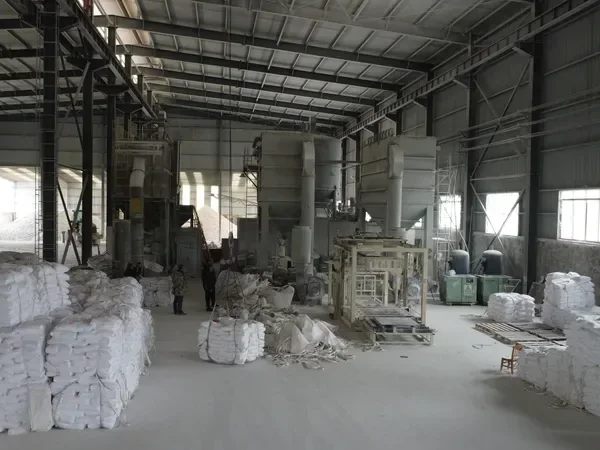
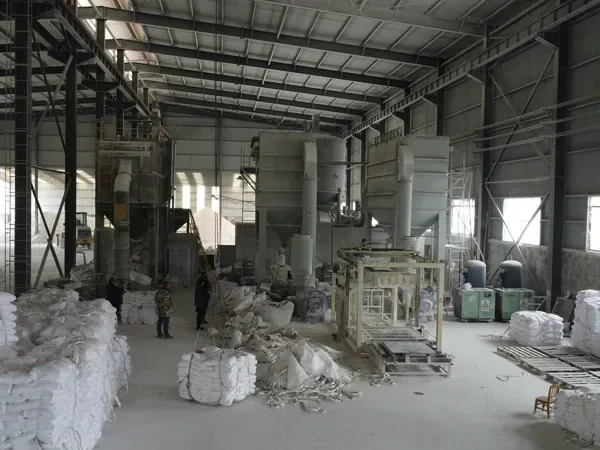
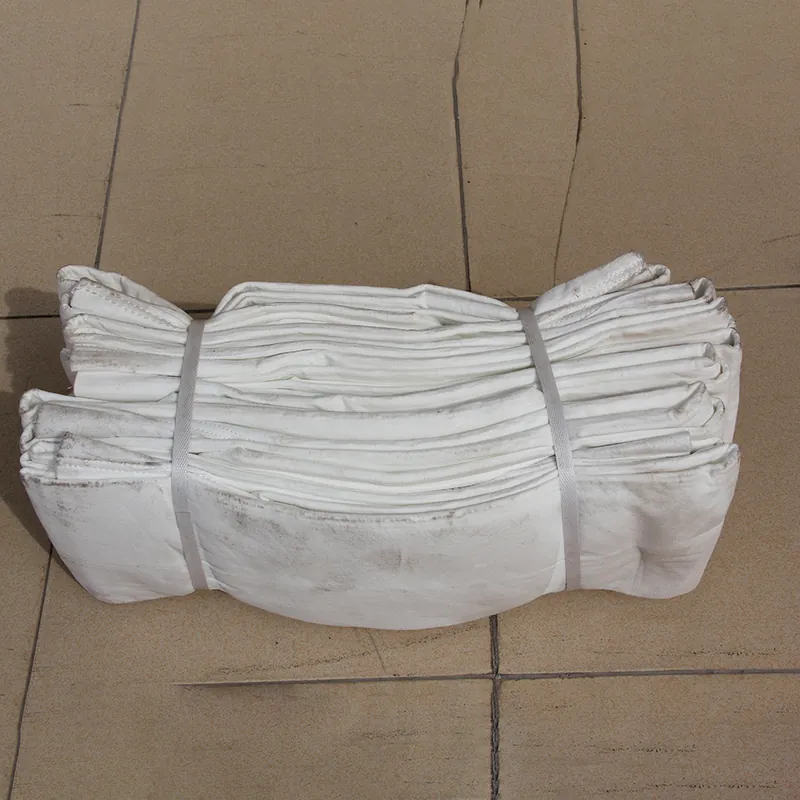
Industrial waste tire pyrolysis reactor for recovered carbon black production

Waste tire resource recovery

Recovered Carbon Black Production Line

An engineering route from tire size reduction and oxygen-limited pyrolysis to metal removal, controlled milling and application-ready recovered carbon black.

400-650 C
Typical tire pyrolysis window
Closed loop
Non-condensable gas can support heating
200-2500 mesh
CRGM controllable product range

01 / Process fundamentals

What a tire pyrolysis carbon black plant actually does

Waste tire pyrolysis thermally decomposes rubber polymers in an oxygen-starved reactor. It is not combustion. Heat breaks vulcanized rubber into condensable hydrocarbon vapor, non-condensable process gas and a carbon-rich solid containing the original reinforcing carbon blacks, mineral fillers, zinc compounds, sulfur species and residual steel.

The solid leaving the reactor is more accurately called raw recovered carbon black or pyrolysis char. Grinding is essential, but it is only one part of upgrading: magnetic separation, de-agglomeration, classification, and sometimes demineralization or surface treatment determine whether the material can move beyond low-value fuel or filler use.

Waste tire pyrolysis process

Four linked operations, one controlled material history

Feed consistency matters all the way downstream. Variations in tire type, steel removal, reactor temperature, residence time and post-treatment appear later as changes in ash, volatiles, structure and compound performance.

01

Tire shredding and feed preparation

Reduce size, liberate steel and stabilize feed

Whole tires are de-beaded, cut and reduced in a primary shredder. A secondary granulation step can bring chips to roughly 50-100 mm where the selected reactor requires pre-shredded feed. Magnetic separation removes exposed steel; aspiration can reduce textile fiber. A narrow chip-size distribution improves bulk flow and reduces local under-heating.

  • Inspect and remove rims, stones and free metal before shredding.
  • Use a dual-shaft shredder for tough whole tires; use a double-roll crusher only after steel removal where brittle char, not elastic rubber, is being reduced.
  • Control moisture and feed rate to prevent pressure and vapor-load swings.
Prepared tire feed and equipment around a tire pyrolysis line
Stable feed geometry supports repeatable heat transfer.
02

Oxygen-limited thermal conversion

Pyrolysis breaks polymer chains without burning the carbon

Indirectly heated batch or continuous reactors commonly operate across about 400-650 C. The practical set point is chosen around throughput, oil quality, char volatiles and equipment design. Heating rate and vapor residence time influence secondary cracking: excessive severity can reduce liquid yield, increase gas formation and change char surface chemistry.

Reactor pressure is kept near the equipment design condition, normally slightly negative or carefully controlled. Oxygen ingress must be prevented. Temperature, pressure, oxygen, drive load and condenser performance should be interlocked rather than treated as operator-only observations.

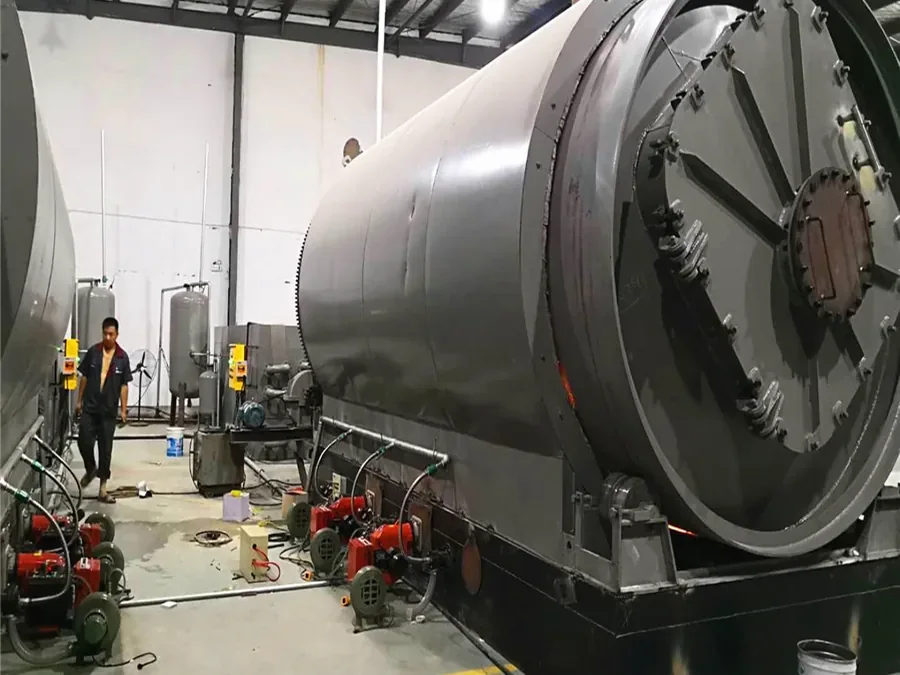
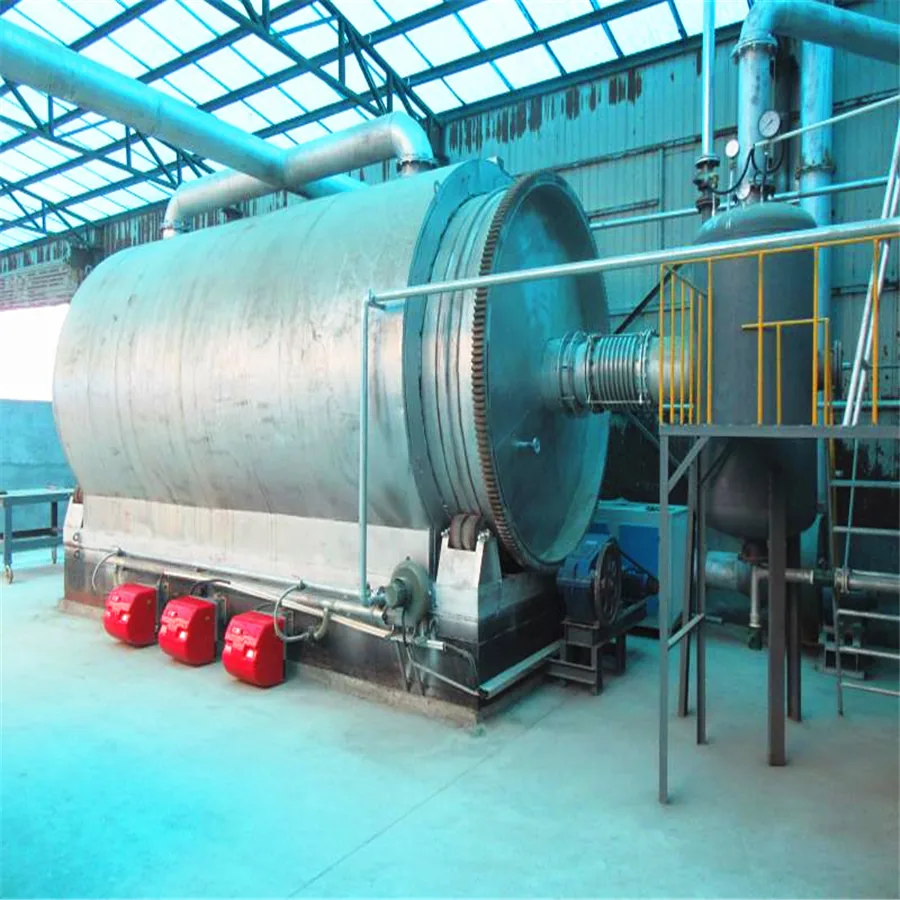
Rotary waste tire pyrolysis reactor with external heating system
Rotating equipment promotes more uniform heat exposure.
03

Oil and gas recovery

Condense the vapor train; recycle usable process gas

Hot vapor passes through solids knock-out and staged condensation. Heavy fractions condense first; lighter fractions require lower coolant temperature and sufficient surface area. A well-sealed system protects oil yield and reduces odor. Non-condensable gas is commonly cleaned and returned to the burner as process fuel, while excess gas requires a safe flare or approved utilization route.

Indicative mass balance only: many waste-tire systems report roughly 35-50% oil, 30-40% solid char, 10-20% steel and 8-15% gas by mass. Actual yields must be measured for the local tire mix and reactor.
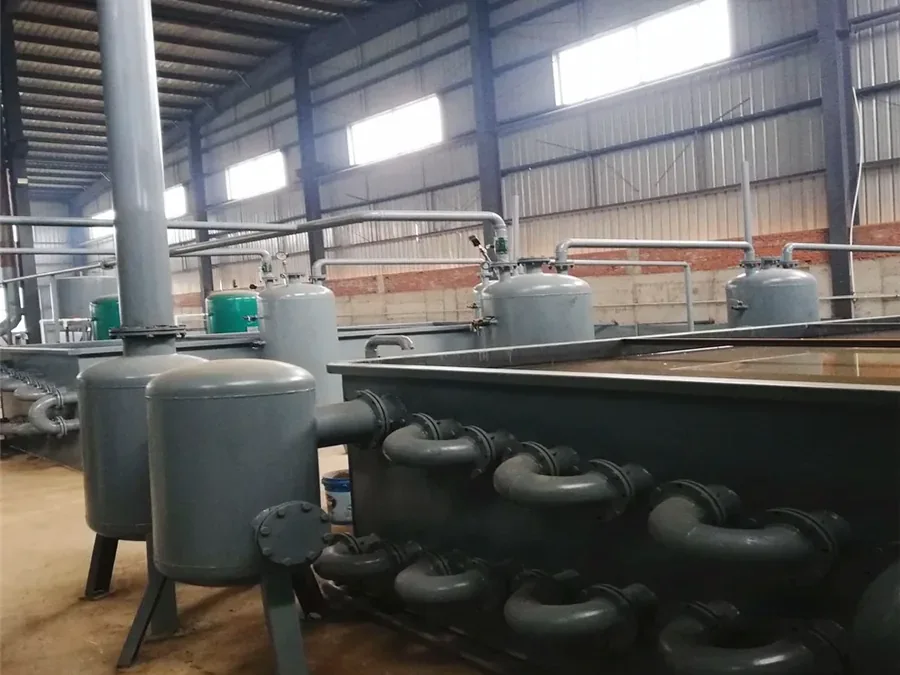
Tire pyrolysis oil condensation and gas recovery equipment
Staged cooling separates condensable oil from process gas.
04

Char discharge and safe conditioning

Cool before exposure, then remove metal and oversize

Hot char must cool in a sealed or inerted section before contact with air. The dry, low-density powder can form a combustible dust cloud, so conductive bonding, dust extraction, temperature monitoring and housekeeping are part of process design. After cooling, magnetic separation captures residual wire and a scalping screen protects the mill.

At this point the material can enter the rCB upgrading train: optional drying, milling, dynamic classification, collection, blending, pelletizing and quality release.

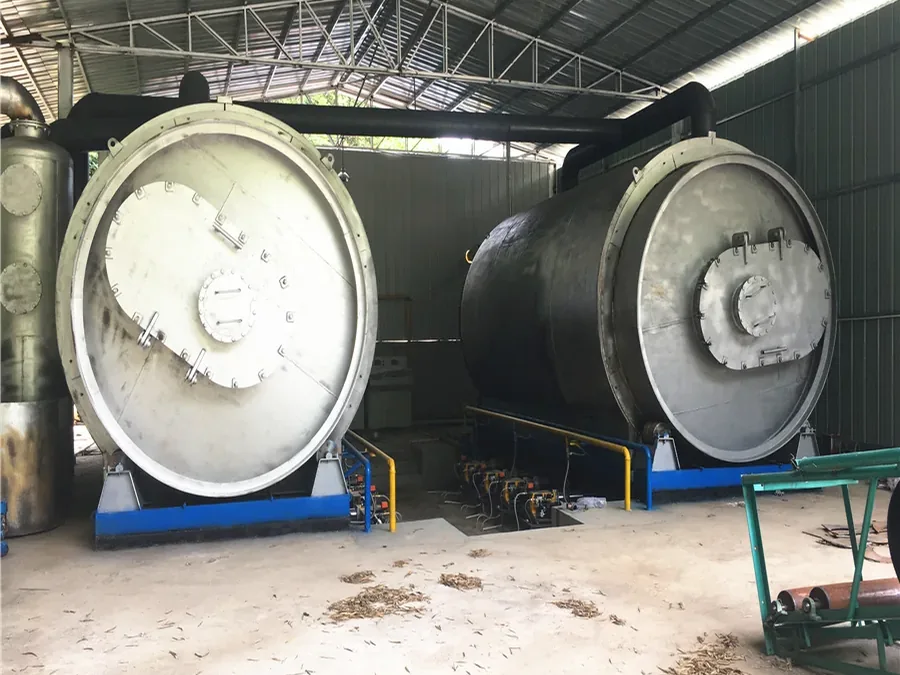
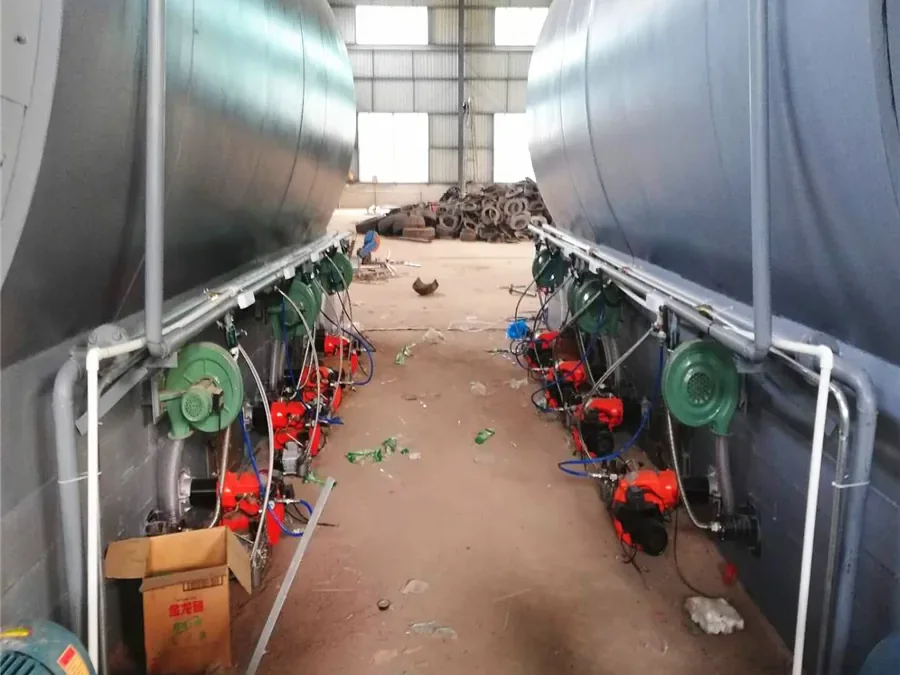
Batch tire pyrolysis reactors used before recovered carbon black refining
Batch reactor arrangement from project-supplied media.

Material and energy logic

A closed process is more valuable than a single machine

Good economics come from balancing all four outputs. Oil quality depends on condensation and storage. Gas offsets part of reactor heat demand. Steel requires clean separation. Char value depends on controlled post-processing and a consistent release specification.

FeedWaste tires
Thermal conversionPyrolysis
ProductsOil + gas + steel + char

Recovered carbon black quality control

Grinding changes dispersion, not the original carbon morphology

Mechanical milling breaks weak char agglomerates and narrows the coarse-particle tail. It does not recreate the primary particle size or aggregate structure of a furnace black. That distinction is essential when specifying replacement ratios in rubber compounds.

Typical rCB release tests and what they tell the compounder
PropertyCommon methodProcess meaningApplication relevance
AshASTM D1506Inorganic tire fillers and metal/mineral carryoverLower ash generally supports higher-value rubber use; high ash can dilute reinforcement.
Oil absorption numberASTM D2414Approximate aggregate structure and void volumeHigher OAN often increases compound viscosity and reinforcement potential.
Nitrogen surface areaASTM D6556External and total surface areaUseful for grade consistency; not a stand-alone predictor of tire performance.
Heating loss / moistureASTM D1509Drying and storage controlExcess moisture disrupts feeding, pelletizing and dosing.
Toluene extractASTM D1618Residual organic matter and cleanlinessLower extractables can improve odor, color and compound consistency.
Coarse residue / PSDLaser PSD + sieve controlGrinding and classification performanceControls specks, screen blockage, surface finish and dispersion.
Important

Specification targets must follow end-use trials

There is no universal ash or OAN threshold that automatically makes an rCB a tire grade. Mixing energy, dispersion, cure behavior, tensile properties, abrasion, hysteresis and aging must be validated in the customer's compound. ASTM D8178 provides rCB terminology; it does not turn one analytical result into a performance grade.

Tire pyrolysis carbon black grinding process

From irregular char to a controlled powder

The CRGM circuit is a dry, closed-loop grinding and classification system. Equipment selection begins with a representative sample, target PSD, moisture, ash and required throughput.

1Cool & de-metalSealed cooling, magnets, scalping screen
2Meter feedBuffer bin and controlled feeder
3Multi-stage grindRollers compress and shear against rings
4Dynamic classifyCoarse particles return to the chamber
5Collect & blendCyclone, pulse filter, silo and packing
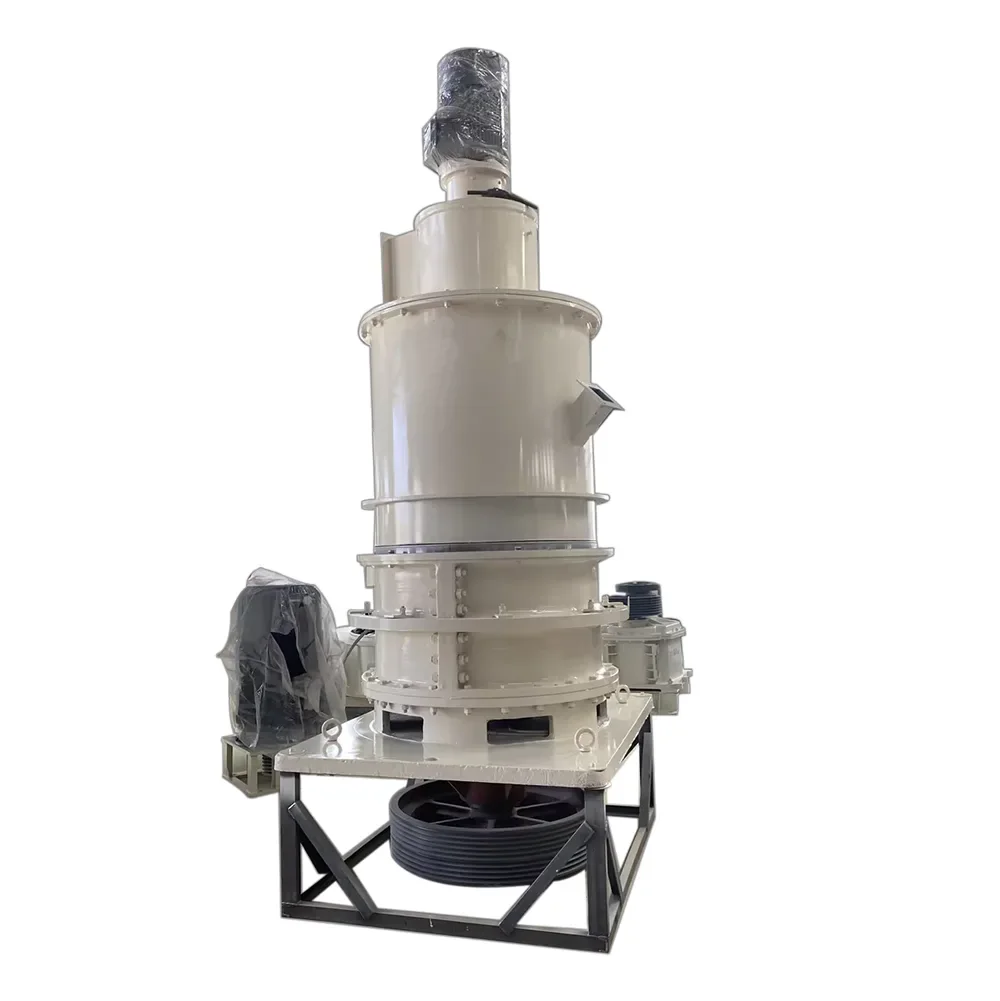
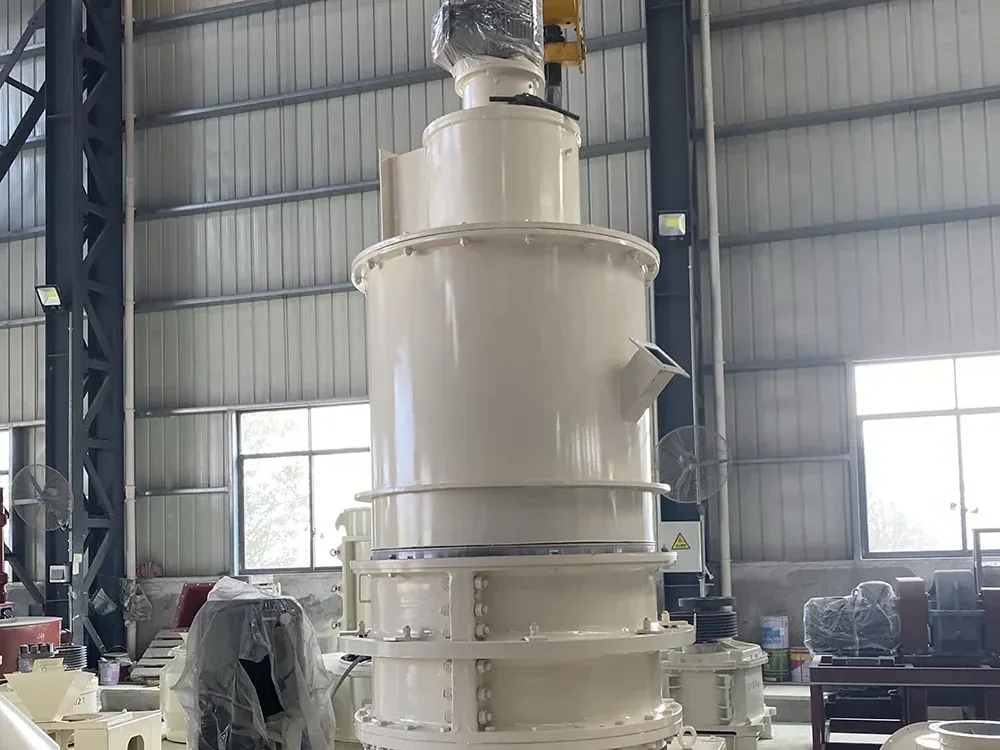
Cronus CRGM ultrafine ring roller mill for recovered carbon black

CRGM ring roller mill

Working principle in plain engineering terms

A central shaft drives the turnplate and multiple roller assemblies. Centrifugal force moves the rollers outward, pressing feed against stationary grinding rings. Repeated compression, shear and short residence cycles de-agglomerate the char.

The process air lifts fine particles to the variable-speed classifier. Material below the selected cut size passes to the cyclone and pulse bag filter; coarse material drops back for another grinding pass. Adjusting classifier speed and airflow changes the product cut without replacing a mechanical screen.

  • Concentrated PSD: internal dynamic classification limits coarse contamination.
  • Closed circuit: contained conveying and pulse filtration reduce powder escape.
  • Wear strategy: replaceable rings, rollers and pins simplify scheduled maintenance.
  • Dry processing: no process water and no slurry-drying stage.

CRGM recovered carbon black mill selection

CRGM1000, CRGM2000 and CRGM3000 technical parameters

Catalog values are broad equipment envelopes. Final rCB capacity is verified against feed bulk density, moisture, target particle size and classifier setting.

CRGM model data from the supplied Cronus ring roller mill presentation
ParameterCRGM1000CRGM2000CRGM3000
Main unit power75 kW132 kW185 kW
Classifier motor22 kW30 kW45 kW
Blower motor55 kW75 kW132 kW
Roller quantity24 pcs26 pcs30 pcs
Maximum feed size≤10 mm≤10 mm≤10 mm
Finished size range200-2500 mesh200-2500 mesh150-2000 mesh
Catalog capacity range0.5-6 t/h1.2-10 t/h2.5-20 t/h

Capacity ranges are not guarantees for every rCB feed. A material test and agreed product specification are required before contractual sizing.

Combined grinding pairModular wear components simplify replacement and rebuild planning.
Integrated classifierFine product exits while coarse particles remain in the grinding loop.
Cast steel baseHigh structural rigidity helps absorb vibration under continuous duty.
System engineeringFeeding, collection, dust control and controls are sized as one line.

rCB grinding equipment comparison

Choose by product target, not by mill name

Different comminution technologies solve different parts of the flowsheet. For de-wired pyrolysis char, the most economical line often combines a robust pre-crusher with a classifier-equipped fine mill.

CriterionCRGM ring rollerRaymond millBall mill + classifierJet mill
Best roleDry fine and ultrafine de-agglomerationCoarser powder / pre-grindingFlexible large-scale mineral grindingVery fine, high-value powder
Typical controlIntegrated dynamic classifierClassifier, generally coarser dutyExternal classifier often requiredAir pressure and classifier
FootprintCompact vertical circuitCompactRelatively largeCompact mill, large compressor utility
rCB considerationStrong fit when coarse residue and dispersion are keyUseful before finer finishing or for low-value gradesLong residence; contamination and energy need reviewHigh energy cost can be difficult to justify

Pre-crushing recommendation

Where a double-roll crusher makes sense

Use a double-roll crusher for cooled, de-wired, brittle char when the mill feed contains hard lumps above 10 mm. Its low-speed compression can produce fewer fines than impact crushing and offers predictable top-size control. Do not feed whole tires, hot char or steel-rich material into it; whole-tire duty belongs to a shear shredder.

Beyond tire pyrolysis char

Materials processed by the CRGM platform

Non-flammable, non-explosive brittle feeds with Mohs hardness up to about 6 are the normal selection range.

Recovered carbon black from waste tire pyrolysis

Recovered carbon black

Rubber compounds, masterbatch, coatings, asphalt and construction products after validation.

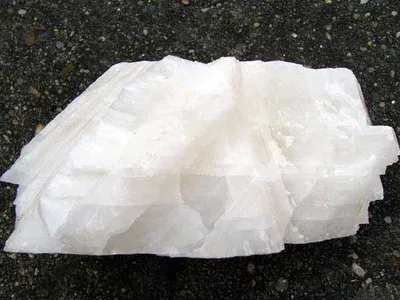
Calcite for ultrafine grinding

Calcite

Paper, paint, sealant, plastics and engineered mineral filler.

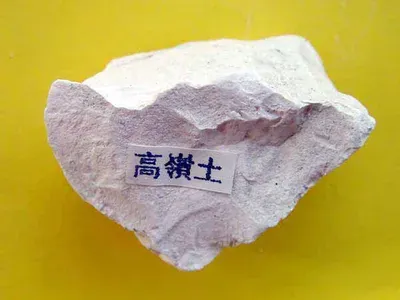
Kaolin for dry ultrafine milling

Kaolin

Ceramics, coatings, rubber, plastics and paper applications.

Talc powder grinding material

Talc

Polymer reinforcement, paint, ceramics and functional filler.

Project-supplied field media

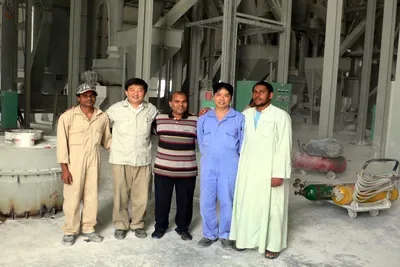
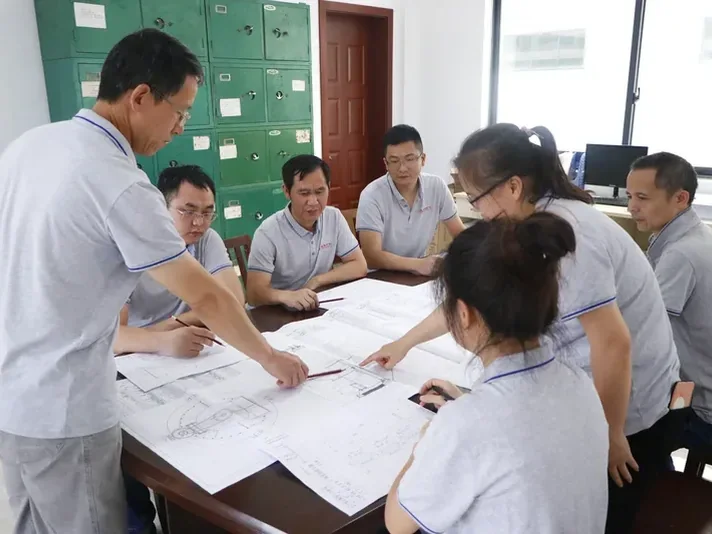
India recovered carbon black project

This field record documents Cronus engagement around rCB handling and grinding. Final plant claims should be tied to the customer's signed acceptance data, so capacity and formulation results are intentionally not inferred from imagery.

Cronus team meeting with an Indian customer

What is verified before a production proposal

  1. Representative char sample and source-tire mix
  2. Moisture, ash, volatiles, OAN, surface area and coarse residue
  3. Required D50 / D90 / D99 or sieve residue and downstream application
  4. Hourly output, operating hours, packing method and local utility data
  5. Dust zoning, emissions limits and site-layout constraints

Cronus Machinery

Shanghai engineering access, backed by Guilin manufacturing depth

Shanghai Cronus Machinery Co., Ltd. is a wholly owned subsidiary of Guilin Mining Machinery Co., Ltd. (Guikuang). Guikuang was founded in 1973 and has more than 50 years of powder-equipment manufacturing experience. Cronus connects international project communication in Shanghai with Guikuang's equipment design, casting, machining, assembly and field-service capability.

1973Manufacturing origin
50+ yearsPowder equipment experience
30+ marketsInternational delivery footprint
Guilin Mining Machinery factory production floor
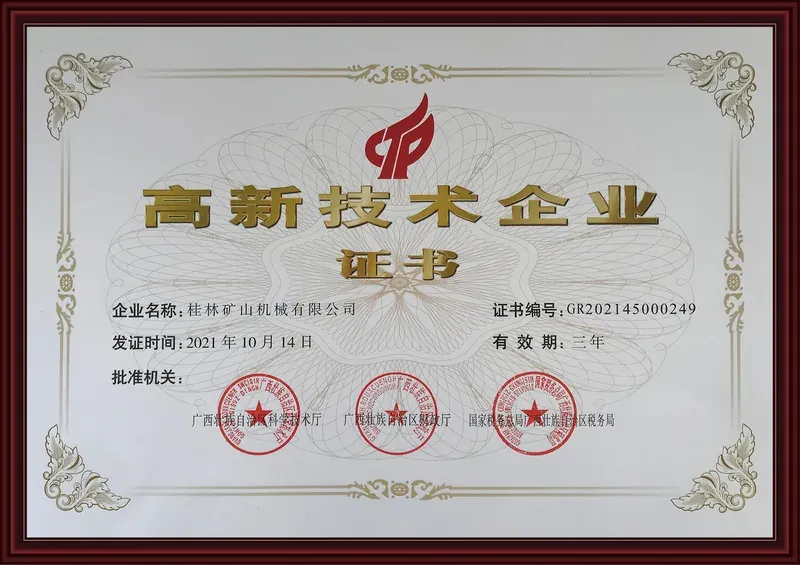
High-tech enterprise certificateHigh-tech enterprise
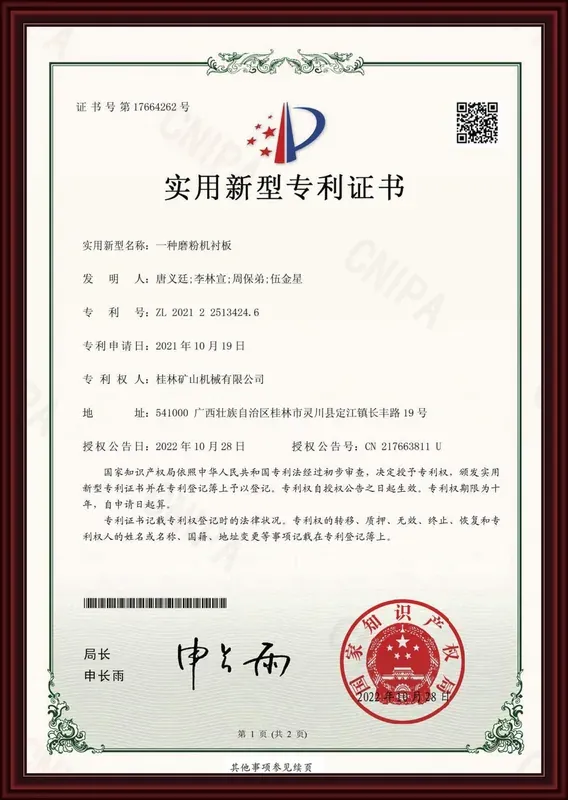
Grinding mill patent certificatePatented mill technology
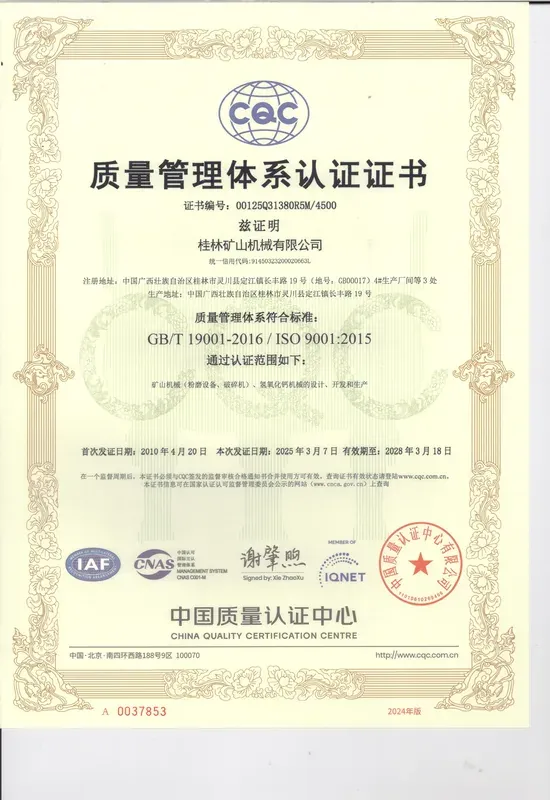
ISO quality management certificationISO management systems
CE-oriented export configuration

Electrical, guarding and documentation scope is confirmed per destination and contract. Certificates shown are from the supplied company archive.

Wear parts and lifecycle support

Plan the maintenance kit with the process line

Wear rate depends on feed ash, hard contamination, operating pressure and product fineness. Trend vibration, differential pressure, motor current and product PSD to schedule maintenance before quality drifts.

CRGM grinding roller spare part

Grinding rollers

Primary grinding contact; inspect profile and mass loss.

CRGM grinding ring spare part

Grinding rings

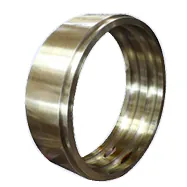
Replace as a matched wear set where required.

CRGM roller pin spare part

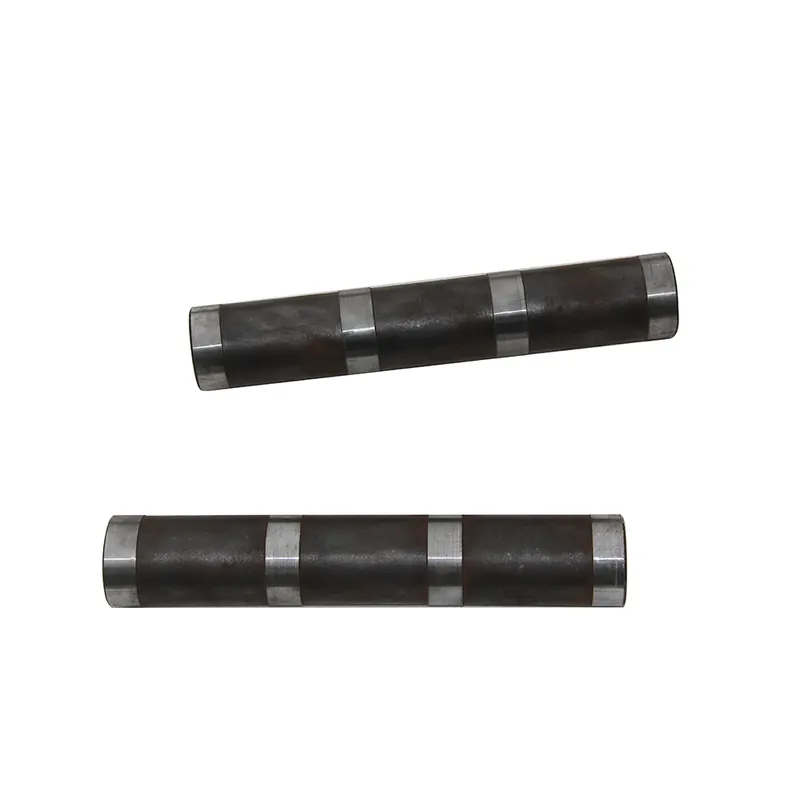
Pins and shafts

Check fit, lubrication condition and fatigue marks.

CRGM mill turnplate spare part

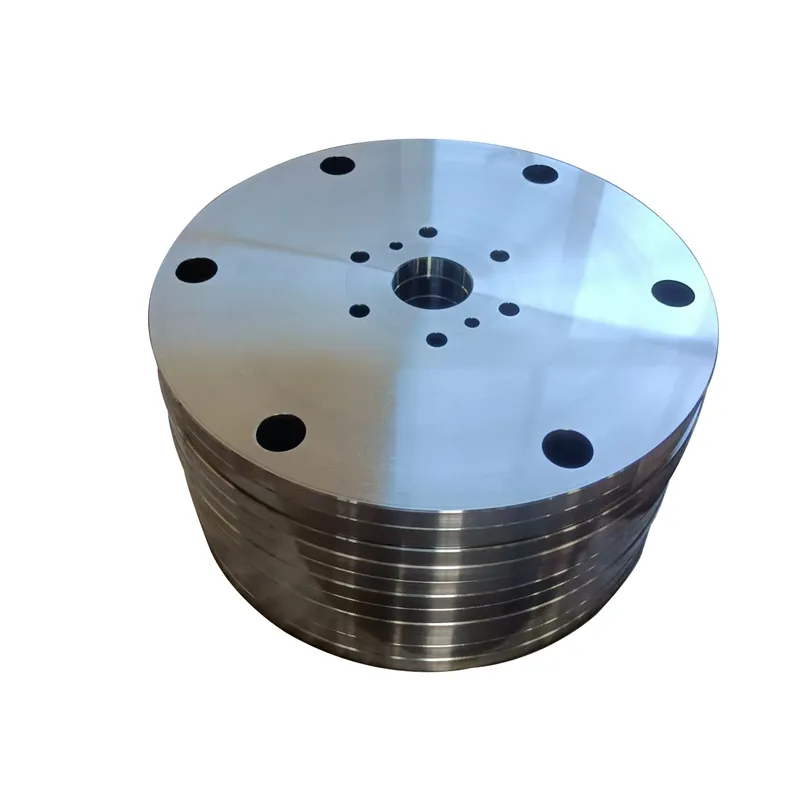
Turnplate assembly

Factory-matched geometry protects rotating balance.

CRGM classifier assembly

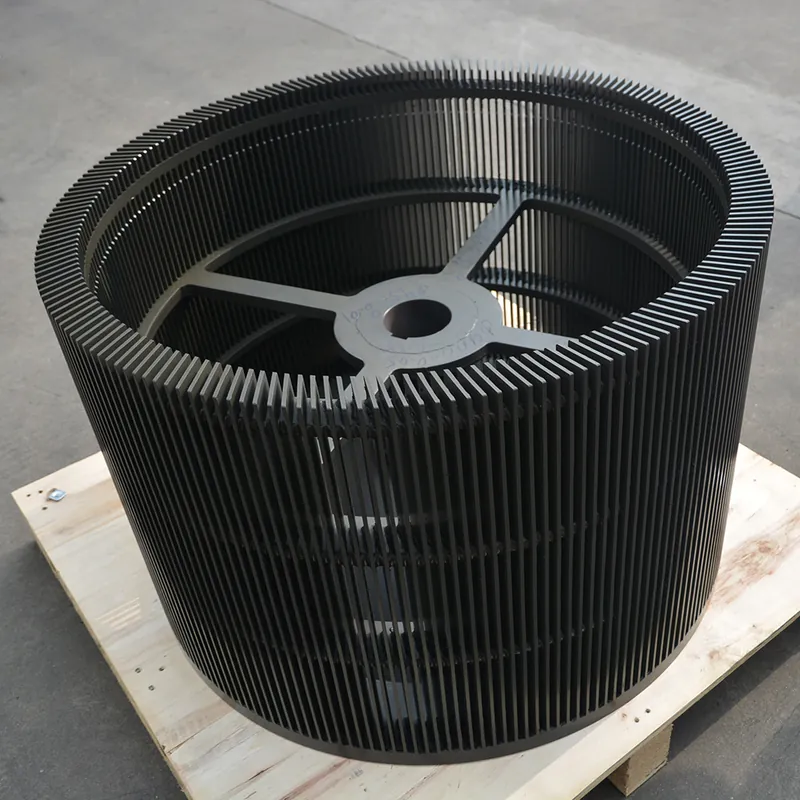
Classifier parts

Blade condition directly affects cut point and coarse residue.

Pulse dust collector filter bag

Filter bags and valves

Maintain airflow, containment and collection efficiency.

Original drawings. Own foundry resources. Traceable metallurgy.

Cronus supplies OEM-fit parts through the original equipment channel, supported by Guikuang casting and machining capability. This reduces fit-up risk while keeping replacement pricing and lead time under control.

Project delivery

Support from sample to stable operation

A reliable rCB line is commissioned against both mechanical performance and product quality. The service scope is agreed per project and may include the following stages.

  1. 01

    Material characterization

    Feed review, laboratory grinding, PSD and application target.

  2. 02

    Process and layout design

    Mass flow, equipment list, dust control, utilities and civil interface.

  3. 03

    Manufacturing and inspection

    Traceable fabrication, assembly checks and shipment preparation.

  4. 04

    Installation and commissioning

    Remote or on-site guidance, interlock checks and operator training.

  5. 05

    Acceptance and lifecycle support

    Performance run, maintenance plan, spare-parts supply and troubleshooting.

Recovered carbon black FAQ

Questions engineers ask before selecting a line

Is pyrolysis char the same as commercial carbon black?

No. It contains several original carbon black grades plus inorganic tire additives, sulfur and residual organics. It must be processed and characterized as recovered carbon black; performance depends on the source and compound.

Why is steel removal required twice?

Pre-shredding exposes and removes most bead and belt wire, but fine wire can remain in the char. A second magnetic separation protects the mill and lowers metal contamination in the final product.

What temperature is used for waste tire pyrolysis?

Many commercial processes operate across roughly 400-650 C. The correct profile depends on reactor design, heating rate, residence time and the desired oil, gas and char balance.

Can grinding reduce rCB ash?

No. Grinding changes particle-size distribution and dispersion. Ash reduction requires upstream feed control, physical separation or a chemical demineralization route followed by washing and drying.

Which rCB test data is needed for mill selection?

Provide bulk density, moisture, ash, volatile content, current PSD, target D50/D90 or sieve residue, hourly output and intended application. A representative sample is strongly recommended.

What fineness can CRGM mills produce?

The supplied catalog range is 200-2500 mesh for CRGM1000/2000 and 150-2000 mesh for CRGM3000. Mesh is only a screening reference; laser PSD should define critical D-values.

How much rCB can replace furnace carbon black in rubber?

There is no universal percentage. Replacement is formulation-specific and must be validated through mixing, cure, tensile, abrasion, dynamic and aging tests. Non-critical rubber goods usually tolerate more substitution than demanding tire components.

Is a Raymond mill suitable for rCB?

It can be useful for coarse powder or pre-grinding. Where low coarse residue and narrower fine PSD are required, a ring roller mill with dynamic classification is usually the stronger finishing option.

Should a double-roll crusher be used before the CRGM?

It is suitable for cooled, brittle, de-wired char lumps above the mill feed limit. It is not the correct machine for whole elastic tires or steel-rich feed.

How is rCB dust controlled?

Use enclosed transfer, balanced negative pressure, pulse bag filtration, conductive grounding, suitable explosion/fire risk controls and strict housekeeping. Local codes and a site-specific dust hazard analysis govern the final design.

Can the non-condensable gas heat the reactor?

Often yes after suitable cleaning and pressure control. Gas composition and quantity vary, so the burner, gas train, flare and safety interlocks must be engineered for the actual process.

What are the main CRGM wear parts?

Grinding rollers, rings, pins, classifier blades, turnplate components, seals and filter bags are common planned items. Feed cleanliness and correct airflow materially affect service life.

How is final capacity guaranteed?

Capacity should be tied to a defined feed sample, moisture, product fineness and test method. Cronus uses sample testing and project data to establish the contractual selection and acceptance condition.
Technical references

Standards behind the vocabulary and test plan

Process inquiry

Start with the material, not the model

Send the char source, current particle size, target application and required capacity. The engineering team will return the test-data checklist and a preliminary process route.

+86 199 2122 1418 WhatsApp: +86 199 2122 1418 sales@shcronus.com Room 801, Building 2, Shanghai Zhicheng, 8666 Hunan Road, Pudong New Area, Shanghai, China